For: Sociology class
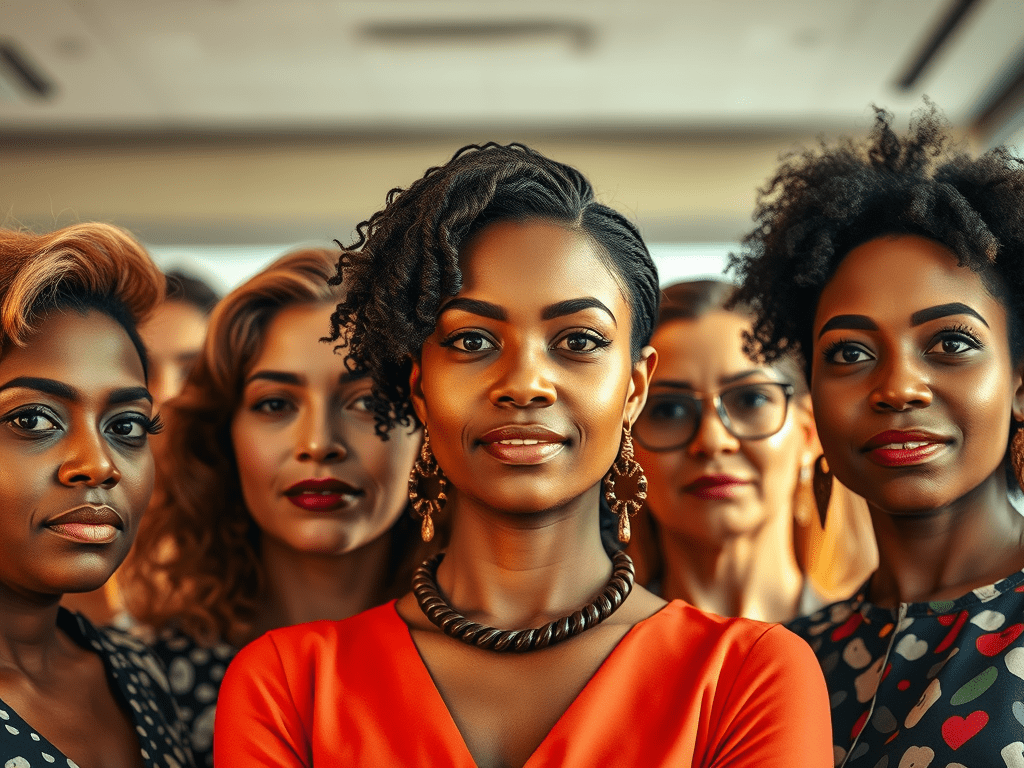
In this video, Danielle Moodie-Mills talks about Equality for LGBT Women & Minorities. The video discusses the fight against discrimination in the workplace for LGBT, which is higher for women and African American women.
Many years ago, our society never discussed sex in an open forum as the population looked at it as dirty or a hostile act between two or more people. Today, as we move forward in our modern times, having a general conversation about sex and sexuality as if we are having lunch with a friend is quite common. As a kid growing up in the ’60s and ’70s, my family and many other families never talked about having sex; whether you are heterosexual or same-sex, sex is human nature.
We learned about the difference between genders and how the function of our bodies works.
Once we know the functionality, we start to explore how we interact with the opposite sex or the same-sex intimacy partner by what feels natural. After we are born, does our environment tell us we have to have a relationship with the opposite sex? Nevertheless, a group of our population faces Intersectionality because of their sexual preference. Some people believe that same-sex intimacy goes against their religion or one’s belief system as the LGBTQ-plus faces so many challenges because of their sexuality. The LGBTQ-plus group is faced with more discrimination from other men or women who like same-sex relationships. Women and minorities in the LGBT community have faced much sexism and inequality at work, even with their own group; however, they are being stereotyped, making it much harder to live their lives as they choose. Workplaces are one of the areas that have the most allegations of sexism against women and unwanted advancement.
“More than 7,500 sexual harassment claims were filed with the EEOC in FY 2018.” (Murad, 2020) There was a 14% increase in cases from the year before. As I am researching the 50 states to see the current laws for sexual harassment and sexual harassment training in the workplace in Indiana, there is no data for the state. However, this is very alarming for the people of Indiana, especially minorities, LGBTQ-plus, and women.
As a whole, women have to fight to be equal to men in their professional careers. Because some women identify as lesbian or Bisexual, they are at a higher risk of being sexually assaulted by heterosexual white men. Yet, being a non-white female who is a lesbian is even more difficult as some straight men see this as a challenge sexually. If we add being lesbian or Bisexual, minority women who are here illegally or have the right to work in the U.S. have been a target in being raped, and the crime goes unreported. However, women can have higher issues with sexual relationships, and they need sex-role theory to overcome many obstacles of their past or present issues.
Society identifies and puts labels on what it represents as male or female when it really has nothing to do with gender roles, such as clothes. Would this be considered structural-functionalism? The younger generation does not look at what identifies male or female. As one individual stated, he is fluid and does not label his preference as straight, Bi, or gay.
Written by: Greg MD
 Greg MD Blog
Leave a comment