10/06/2024
Landlord Tenant Duties and Remedies
- to an external site.)s to an external site.)How did the Breezewood case change the law in Indiana? (Hint: What warranty did the court apply to the lease situation?)
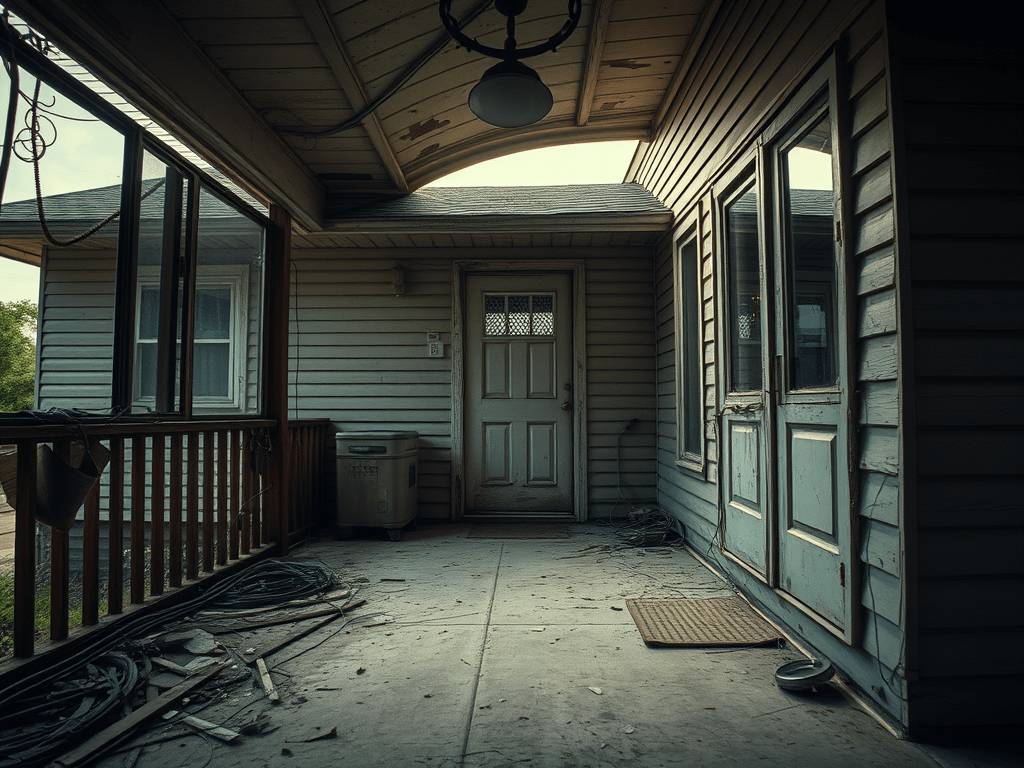
The court unequivocally established that the implied warranty in a lease agreement is inherent within the landlord-tenant relationship. When leasing a residence, the property or rental unit is implicitly expected to guarantee a safe and sanitary living environment. Consequently, the statute law regarding zoning codes has undergone significant changes in the context of a lease agreement for a residential property. This modification directly addresses the issues present in the uninhabitable property that the defendant, Maltbie, leased. These issues include a deteriorating porch floor, broken and improperly sealed windows, an inoperative front door, leaking plumbing resulting in low water pressure, inability of the backdoor to close fully, absence of a bathroom door, plaster falling, and exposing wiring over the bathtub, and a faulty toilet. Subsequent investigation revealed a rodent infestation, roof leakage, lack of heat and hot water, additional plumbing leaks, and pigeons in the attic.
The court decisively ruled in favor of the defendant, asserting that they were not obligated to pay rent due to the deplorable condition of the property. This ruling was grounded in the absence of updated building codes and zoning regulations in Indiana in 1978/79 under the Uniform Commercial Code (UCC). The issue was brought to the fore when Breezewood Management Company, acting as the Plaintiff-Appellant, lodged a complaint in court regarding the non-payment of rent.
After the case’s court concluded, Indiana’s legislation was amended definitively to ensure that landlords fulfill their obligation to provide a clean and safe living environment for their tenants under a lease agreement. This obligation implies that the dwelling is in good sanitary condition and complies with building codes. Presently, Indiana’s laws hold both landlords and tenants accountable under current regulations. Any failure to meet legal responsibilities by either party will result in repercussions and consequences for their actions or inaction.
- Now locate and review the Indiana statutes dealing with landlord-tenant relations found in Title 32 and answer the following:
- What statutory duties, if any, did the Landlord in Breezewood violate?
The landlord’s duties and responsibilities as the management and tenant relationship under a mutual lease agreement the Indiana Statute laws have requirements for both landlord and tenant. The City of Bloomington housing code was minimal at the time of this complaint in 1978/79. Therefore, a lease agreement between the landlord and tenant is obligated under Indiana Statute law IC 32-31-8-5.
IC 32-31-8-5 Landlord obligations
Sec. 5. A landlord shall do the following:
(1) Deliver the rental premises to a tenant in compliance with the rental agreement, and in a safe, clean, and habitable condition.
(2) Comply with all health and housing codes applicable to the rental premises.
(3) Make all reasonable efforts to keep common areas of a rental premises in a clean and proper condition.
(4) Provide and maintain the following items in a rental premises in good and safe working condition, if provided on the premises at the time the rental agreement is entered into:
(A) Electrical systems.
(B) Plumbing systems sufficient to accommodate a reasonable supply of hot and cold running water at all times.
(C) Sanitary systems.
(D) Heating, ventilating, and air conditioning systems. A heating system must be sufficient to adequately supply heat at all times.
- What remedies, if any, did the court award to the tenant(s)?
The court is only aware of the tenant’s suspension of their obligation to pay rent, with no damages towards Breezewood management.
- What statutory duties, if any, did the tenant(s) in Breezewood violate?
The tenant has not violated any statutory law other than not paying the rent. The primary legal concern revolves around the uninhabitable condition of the dwelling due to numerous issues, particularly the poor living conditions. The courts have nullified the lease covenant. However, the landlord must address this issue with the tenant promptly and effectively.
- What remedies, if any, did the court award to the landlord?
The court’s ruling only addressed the landlord’s potential liability for an implied warranty of habitability without considering any other remedies.
- If the Landlord in Breezewood had failed to provide air conditioning and Bloomington had an unusually hot summer, would this have been a statutory violation based on current Indiana law? Explain your reasoning.
Breezewood management has a clear obligation to ensure a clean and safe working environment, including providing working heating, ventilating, and air conditioning as mandated by IC 32-31-8 Sec. 5 (1) (4) (D). By failing to provide air conditioning, the management company directly violates the Indiana Statute. It’s important to note that the landlord must have a contract or agreement with the tenant as per the IC obligation.
IC 32-31-8-5 Landlord obligations
Sec. 5. A landlord shall do the following:
(1) Deliver the rental premises to a tenant in compliance with the rental agreement, and in a safe, clean, and habitable condition.
(2) Comply with all health and housing codes applicable to the rental premises.
(3) Make all reasonable efforts to keep common areas of a rental premises in a clean and proper condition.
(4) Provide and maintain the following items in a rental premises in good and safe working condition, if provided on the premises at the time the rental agreement is entered into:
(A) Electrical systems.
(B) Plumbing systems sufficient to accommodate a reasonable supply of hot and cold running water at all times.
(C) Sanitary systems.
(D) Heating, ventilating, and air conditioning systems. A heating system must be sufficient to adequately supply heat at all times.
(E) Elevators, if provided.
(F) Appliances supplied as an inducement to the rental agreement.
- Does a landlord have any duty to safeguard a tenant’s property if the tenant abandons it (i.e., vacates without taking personal possessions)? Cite the applicable statute.
During that time frame, the statute laws were different. I guess that the safeguard in 1978/79 would have been no. The other option is for the landlord to evict the tenant for non-payment or take them to court. Today, laws in 2024 are IC 32-31-7-7, which can enforce obligations, but some limitations exist. Most of the time, if there is non-payment for rent, the landlord can keep their security deposit IC 32-31-3-13 depending on the amount owed through the correct process under the law of Indiana.
IC 32-31-7-7 landlord’s cause of action to enforce tenant obligations
Sec. 7. (a) A landlord may bring an action in a court with jurisdiction to enforce an obligation of a tenant under this chapter.
(b) Except as provided in subsection (c), a landlord may not bring an action under this chapter unless the following conditions are met:
(1) The Landlord gives the tenant notice of the tenant’s noncompliance with a provision of this chapter.
(2) The tenant has been given a reasonable amount of time to remedy the noncompliance.
(e) This section may not be construed to limit a landlord’s or tenant’s rights under IC 32-31-3, IC 32-31-5, or IC 32-31-6.
(f) If the Landlord is the prevailing party in an action under this section, the landlord may obtain any of the following, if appropriate under the circumstances:
(1) Recovery of the following:
(B) Attorney’s fees and court costs.
IC 32-31-3-13 Use of deposits
Sec. 13. A security deposit may be used only for the following purposes:
(1) To reimburse the landlord for actual damages to the rental unit or any ancillary facility that are not the result of ordinary wear and tear.
(2) To pay the landlord for:
(A) all rent in arrearage under the rental agreement; and
(B) rent due for premature termination of the rental agreement by the tenant.
(3) To pay for the last payment period of a residential rental agreement if a written agreement between the landlord and the tenant stipulates that the security deposit will serve as the last payment of rent due.
(4) To reimburse the landlord for utility or sewer charges paid by the landlord that are:
(A) the obligation of the tenant under the rental agreement; and
(B) unpaid by the tenant.
- When must a landlord -return a tenant’s security deposit and, if the landlord retains part thereof, with what must the landlord provide the tenant? Cite the applicable statute.
The landlord has 45 days after the tenant vacates the property; once they have moved, all their belongings are out of the premises, and the account is settled between the tenant and management office. For the landlord to retain any amount of the security deposit IC 32-31-3-13, the management office must provide a letter or documents of damages or non-payment for rent by the tenant.
IC 32-31-3-13 Use of deposits
Sec. 13. A security deposit may be used only for the following purposes:
(1) To reimburse the landlord for actual damages to the rental unit or any ancillary facility that are not the result of ordinary wear and tear.
(2) To pay the landlord for:
(A) all rent in arrearage under the rental agreement; and
(B) rent due for premature termination of the rental agreement by the tenant.
(3) To pay for the last payment period of a residential rental agreement if a written agreement between the landlord and the tenant stipulates that the security deposit will serve as the last payment of rent due.
(4) To reimburse the landlord for utility or sewer charges paid by the landlord that are:
(A) the obligation of the tenant under the rental agreement; and
(B) unpaid by the tenant.
- May a security deposit be used to cover damages that result from ordinary wear and tear? Cite the applicable statute.
No! Normal wear and tear are not why management retains the tenant’s security deposit under the Indiana Statute IC 32-31-3-13 Sec. 13 (1) .
IC 32-31-3-13Use of deposits
Sec. 13. A security deposit may be used only for the following purposes:
(1) To reimburse the landlord for actual damages to the rental unit or any ancillary facility that are not the result of ordinary wear and tear.
Written by: Greg MD
 Greg MD Blog
Leave a comment